










The Liquor Color of Wuyi Rock Tea: A Reflection of Terroir and Craftsmanship
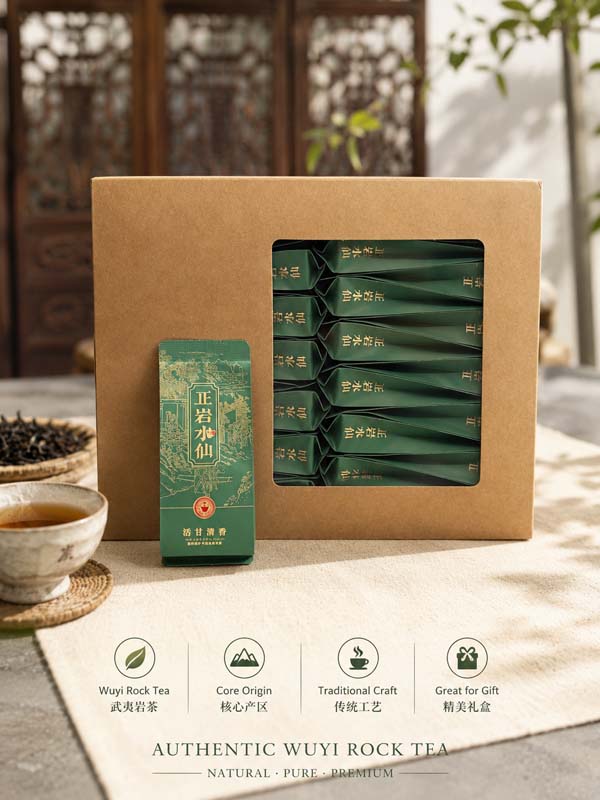
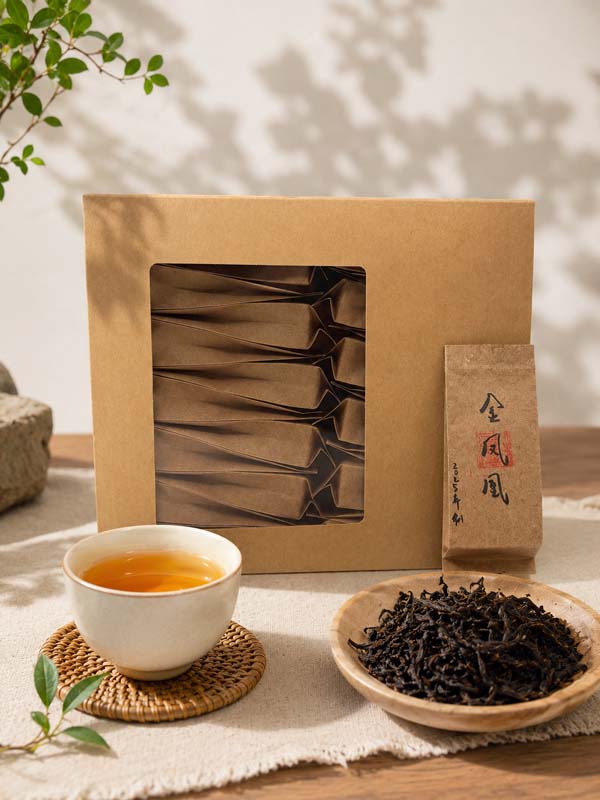
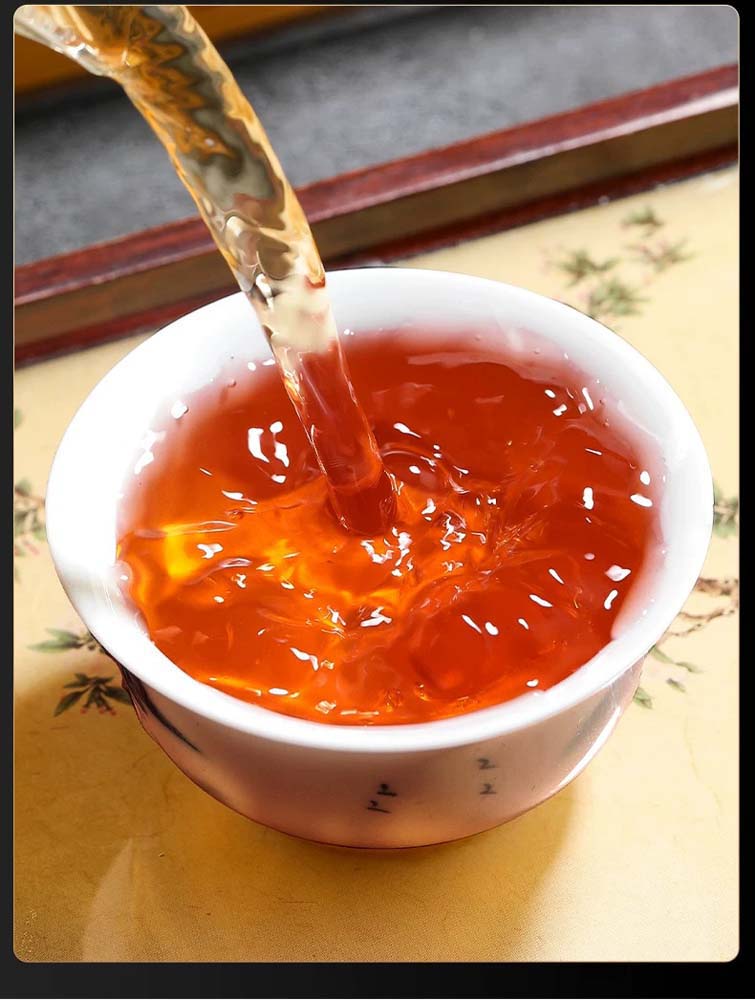
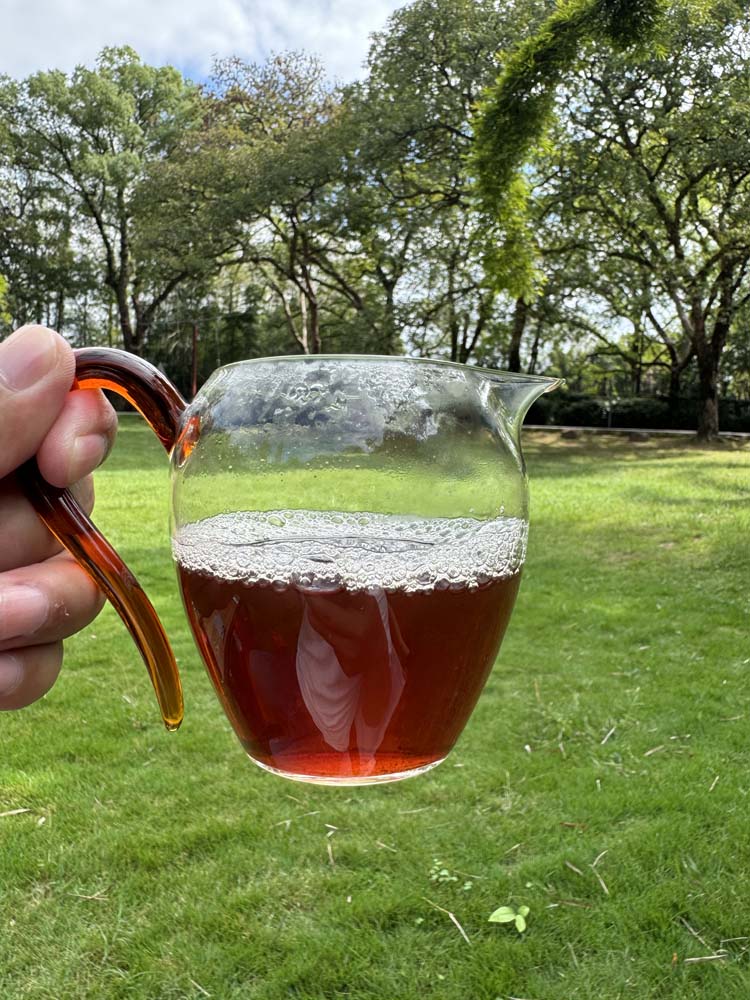
English Version The Liquor Color of Wuyi Rock Tea: A Window into Terroir and Craftsmanship When people first discover Wuyi Rock Tea, they often focus on aroma and taste while overlooking one important detail—the color of the tea liquor. In fact, the liquor color provides valuable clues about the tea's cultivar, roasting level, processing techniques, and aging potential. What Is Tea Liquor Color? Tea liquor color refers to the appearance and clarity of the brewed tea. High-quality Wuyi Rock Tea typically shows: Crystal-clear transparency Natural coloration Bright appearance Excellent clarity without cloudiness When held against the light, a well-made rock tea often glows like polished amber. How Roasting Influences Liquor Color Charcoal roasting is one of the defining characteristics of Wuyi Rock Tea production. Different roasting levels create different liquor colors. Light-Roasted Rock Tea Characteristics: Golden yellow Bright and lively Fresh appearance Light roasting highlights floral and fruity aromas while maintaining freshness. Medium-Roasted Rock Tea Characteristics: Orange-yellow Golden-orange Rich and vibrant This is the most common liquor color found in premium Wuyi Rock Tea. Medium roasting balances aroma, body, and complexity. Fully Roasted Rock Tea Characteristics: Orange-red Amber-colored Deep and bright A stronger roast creates a richer body, deeper aroma, and more mature character. Liquor Colors of Different Cultivars Rougui Rougui Rougui typically produces a bright orange-yellow liquor with a rich body and its signature spicy cinnamon-like aroma. Shuixian Shuixian Shuixian often displays a golden to orange-yellow liquor with a smooth, mellow texture and elegant floral notes. Da Hong Pao Da Hong Pao Da Hong Pao usually presents a bright orange-red liquor, offering remarkable complexity and the famous "Yan Yun" (Rock Essence). Can Liquor Color Determine Tea Quality? Liquor color is an important indicator, but it should never be the sole factor in evaluating tea quality. A premium Wuyi Rock Tea should possess: Bright and clear liquor Pure and lasting aroma Balanced and full-bodied taste Long-lasting sweetness Excellent brewing endurance Cloudy or dull liquor may indicate processing issues, poor storage conditions, or lower-quality raw materials. Why Does Aged Rock Tea Have a Darker Liquor? As tea ages, natural chemical transformations occur within the leaves. Over time, the liquor color may gradually deepen from golden yellow to: Orange-red Amber-red Deep amber At the same time, the tea develops a smoother texture and richer aged aroma. Conclusion The liquor color of Wuyi Rock Tea is more than a visual pleasure. It reflects the tea's origin, craftsmanship, roasting skill, and the passage of time. The next time you brew a cup of Wuyi Rock Tea, take a moment to appreciate its color before tasting. You may discover that every cup tells a unique story from the mountains of Wuyi.